

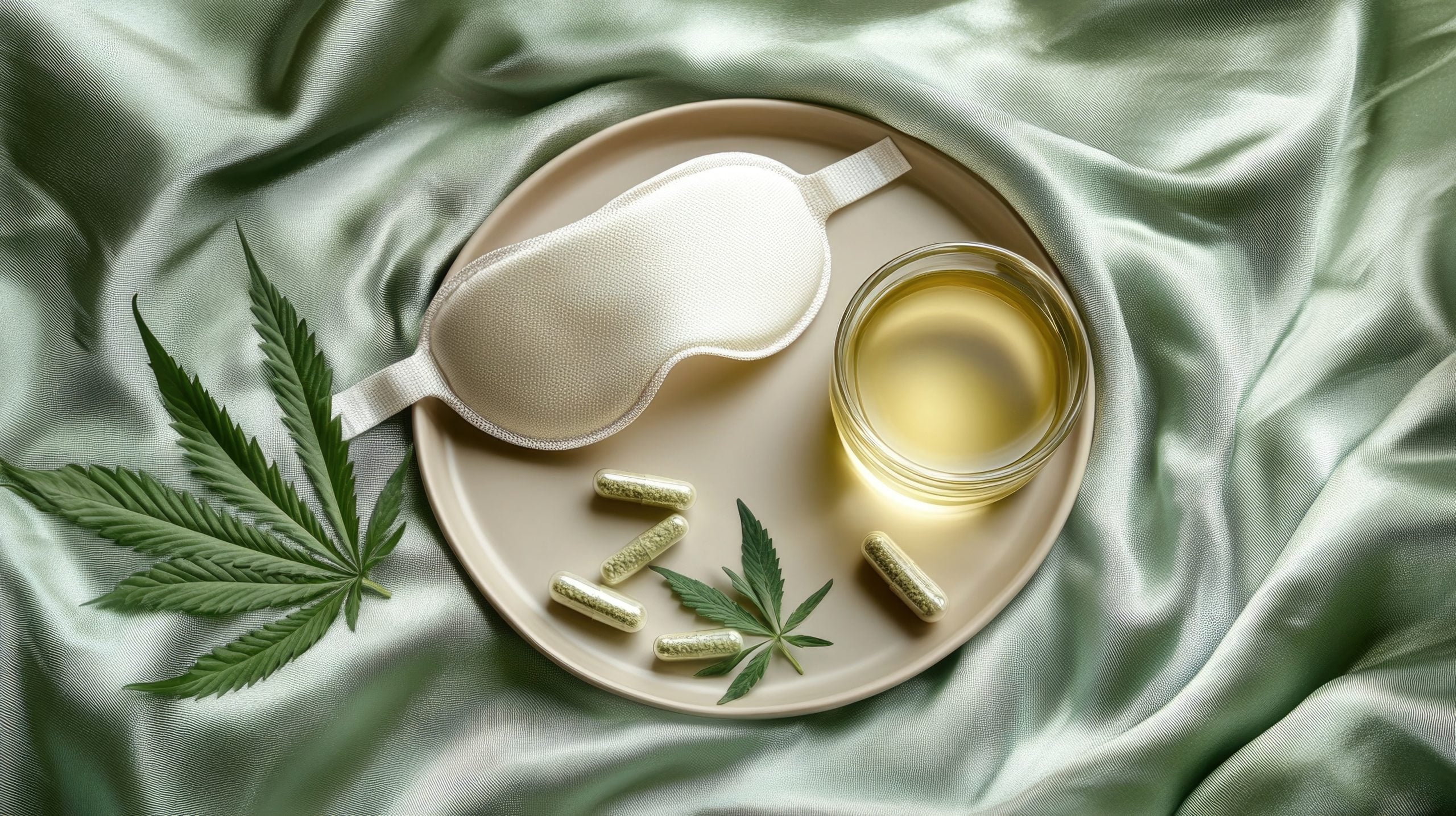
Sleep challenges are common for both medical cannabis patients and adult-use consumers. Many people are not looking for heavy sedation or overly intense effects, but rather a more manageable way to unwind at night.
Low-dose cannabis offers a more controlled and predictable option. Instead of overwhelming effects, it allows patients to approach sleep support gradually and intentionally.
At Restore, we focus on patient education and guidance, helping individuals explore cannabis in a way that fits their needs and routines.
Why Patients Explore Cannabis for Sleep
Difficulty falling or staying asleep is a common concern across many lifestyles. Because of this, some patients choose to incorporate cannabis into their nighttime routines.
Experiences vary from person to person. Factors like dosage, product type, and individual tolerance all play a role. The goal is not a one-size-fits-all solution, but a personalized approach that works over time.
What “Low-Dose” Cannabis Means
Low-dose cannabis typically refers to products containing around 2.5–5mg of THC per serving, though some patients may use even less.
This approach often overlaps with microdosing, where smaller amounts are used intentionally to maintain control over the experience. Instead of intensity, the focus is on:
- Consistency
- Predictability
- Gradual effects
Low-dose products are commonly found in formats like edibles, tinctures, and capsules, where dosing is easier to measure.
Why Lower Doses May Work Better for Some Patients
Higher doses can feel overwhelming or disruptive for some individuals, especially when used regularly.
Lower doses may support:
- A more gradual sense of relaxation
- Better control over the experience
- A more functional next-day routine
For many patients, a “less is more” approach leads to a more comfortable and repeatable experience.
Choosing the Right Product for Sleep Support
Selecting the right product depends on personal preference and how you want the experience to fit into your routine.
Edibles (Low-Dose)
Offer longer-lasting effects and are often used as part of a structured nighttime routine.
Tinctures
Allow for precise, adjustable dosing and can be easier to fine-tune over time.
Capsules
Provide consistent and predictable dosing with minimal variability.
Timing Matters: When to Take Cannabis for Sleep
Timing plays a key role in how cannabis fits into a sleep routine.
- Edibles: typically 60–90 minutes before bed
- Tinctures: typically 30–60 minutes before bed
Building consistency into timing and tracking your response can help create a more reliable routine over time.
The Role of Terpenes and Cannabinoids
Cannabis contains compounds that contribute to aroma and overall experience.
- Myrcene is often found in calming profiles
- Linalool has a floral aroma and is commonly associated with relaxing products
- THC and CBD interact differently depending on ratio and dosage
These elements can influence how a product feels, but responses will vary between individuals.
Building a Consistent Nighttime Routine
Cannabis works best when it’s part of a broader routine, not a one-time solution.
Consider pairing it with:
- A consistent sleep schedule
- Reduced screen time before bed
- A calm, comfortable environment
Routine and consistency tend to produce more reliable outcomes than sporadic use.
Safety Considerations for New and Older Patients
Responsible use is key, especially for those new to cannabis.
- Start low and increase gradually
- Avoid combining cannabis with alcohol
- Be mindful of other medications (consult a healthcare provider if needed)
- Store products safely and securely
Common Mistakes to Avoid
- Taking too much too quickly
- Not waiting long enough for edibles to take effect
- Using inconsistent dosing
- Expecting immediate results
A measured approach helps reduce unwanted experiences.
How Restore Supports Patient Education
Restore provides a patient-first experience focused on education and support.
- One-on-one guidance from trained staff
- Recommendations based on individual goals and routines
- A focus on education, not pressure
- Safe, compliant, and tested products
Our goal is to help patients feel confident and informed in their choices.
Key Takeaways
- Low-dose cannabis offers a more controlled approach to sleep routines
- Consistency and timing are essential for predictable results
- Product type affects onset and duration
- Lower doses may provide a more manageable experience
- Education and guidance play a key role in long-term success
FAQ
- What is considered a low dose of cannabis?
Typically 2.5–5mg of THC per serving, though individual tolerance varies. - Is cannabis guaranteed to help with sleep?
No. Experiences vary, and results depend on multiple factors including dosage and routine. - What product types are commonly used for sleep routines?
Many patients explore low-dose edibles, tinctures, or capsules. - How long does it take to feel effects?
Edibles may take 60–90 minutes, while tinctures often act sooner. - Can cannabis be used regularly?
Some patients build consistent routines, but it’s best to approach use thoughtfully and consult a professional if needed.
Find a Sleep Routine That Works for You
At Restore, we help patients explore cannabis in a thoughtful, guided way. Visit one of our Pennsylvania or New Jersey locations to learn more about low-dose options and build a routine that fits your needs.
DISCLAIMER: The contents of this blog are intended for informational purposes only. Always seek the advice of a physician or other qualified healthcare provider with any questions you may have regarding a medical condition.


